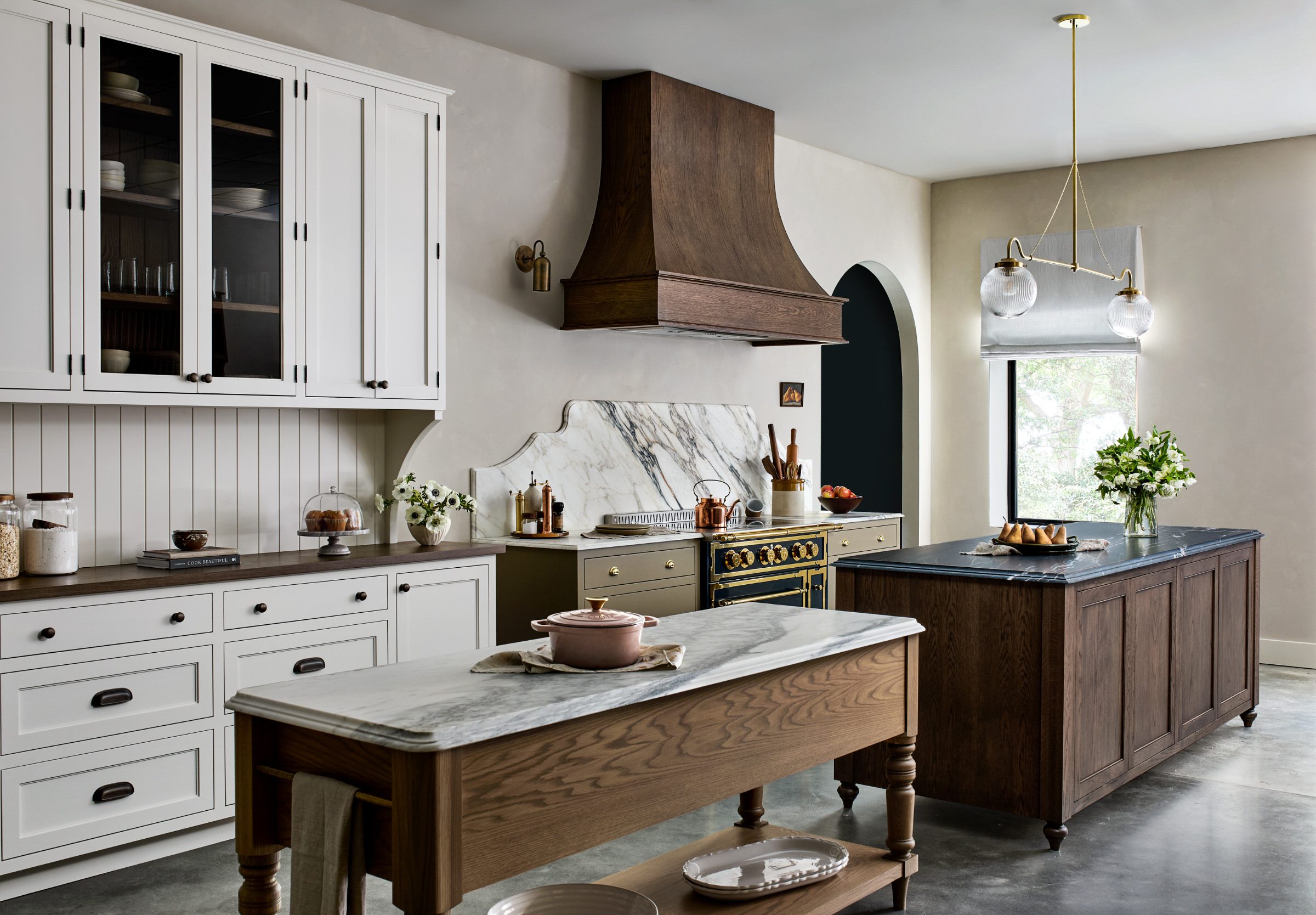
Designing a kitchen is one of the largest investments many homeowners make in their home. The most common kitchen design mistakes, however, usually aren’t about choosing the wrong countertop or cabinet color. They happen much earlier—during space planning, cabinetry design, appliance selection and the overall decision-making process.
At Unique Kitchens & Baths™ (UKB), our kitchen design philosophy is led by founder and NKBA kitchen designer Tanya Smith-Shiflett. UKB specializes in kitchen and bath design and manufactures its own custom cabinetry, allowing our team to approach each project from both a design and manufacturing perspective.
After years of designing kitchens and working with homeowners, builders and interior designers, we’ve found that the most successful kitchens have something in common: they are designed around the people who live in them.
Below are some of the biggest kitchen design mistakes homeowners make—and what we recommend doing instead.
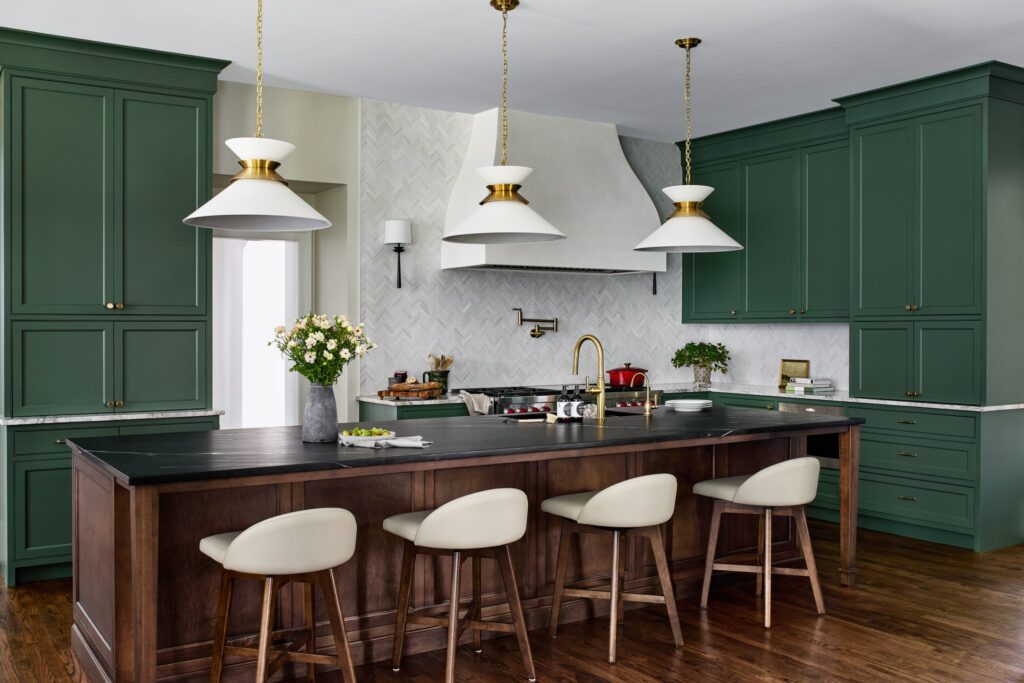
1. Designing a Kitchen for Looks Instead of Lifestyle
One of the most common kitchen design mistakes is beginning with how the kitchen should look before understanding how it needs to function. Inspiration is important, but a beautiful kitchen on Pinterest or Instagram was designed for someone else’s home and lifestyle.
Before designing a kitchen, consider:
+ How often do you cook?
+ How many people regularly use the kitchen?
+ Do you entertain frequently?
+ Where does everyone naturally gather?
+ Which appliances do you use every day?
+ What do you want visible and what would you rather conceal?
+ Would a pantry or scullery improve how the kitchen functions?
At UKB, these conversations happen before we begin making many of the aesthetic decisions. The best kitchen design should make everyday life easier while still being beautiful.
2. Assuming More Cabinets Mean Better Kitchen Storage
More cabinetry does not automatically create better storage. Effective kitchen storage is about putting the right storage in the right place. This is one of the advantages of custom cabinetry.
Because UKB manufactures our own custom cabinetry, we aren’t limited to standard cabinet configurations or predetermined sizes. Cabinetry can instead be designed specifically around the homeowner, the architecture and the way the kitchen will be used.
That might include deep drawers, appliance garages, integrated organizers, concealed small appliances, specialized pantry storage or furniture-style cabinetry.
Instead of asking, “Which cabinet fits here?” we can ask: “What does this homeowner need here, and how should we design it?” That distinction can completely change the functionality of a kitchen.
3. Following Kitchen Trends Too Closely
Kitchen trends can be wonderful sources of inspiration, but they shouldn’t dictate every major decision. A kitchen is a long-term investment.
Rather than building a design around what is popular at a particular moment, we prefer to focus on proportion, architecture, craftsmanship, beautiful materials and details that make sense for the home.
Timeless kitchen design doesn’t mean boring or traditional. It means creating a room with enough integrity that it can evolve as furnishings, accessories and tastes change. The goal is simple: your kitchen should still feel beautiful ten or twenty years from now.
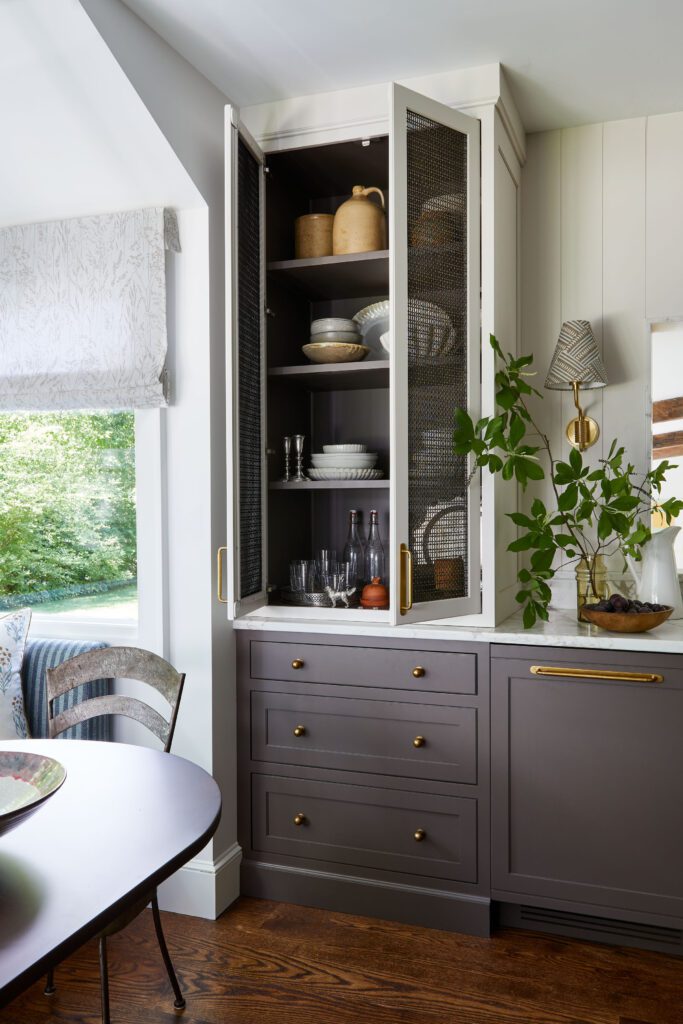
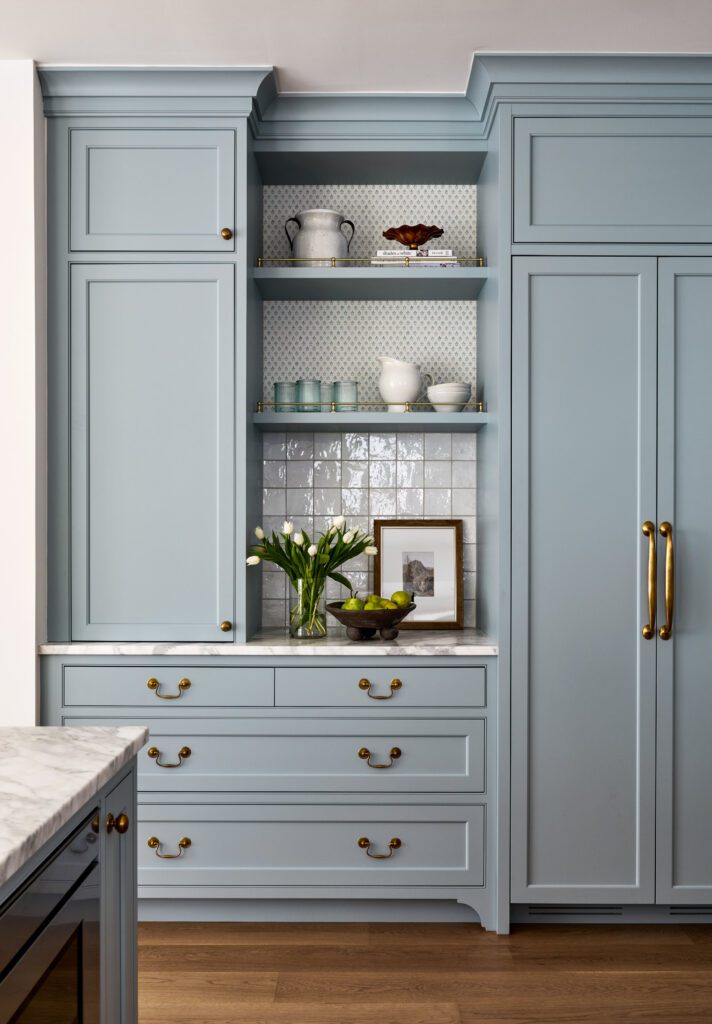
4. Ignoring Kitchen Workflow and Traffic Patterns
A kitchen can have beautiful cabinetry and exceptional materials and still be frustrating to use. Kitchen space planning should consider how people actually move through the room.
We look at questions such as:
+ Where do groceries enter the kitchen?
+ How close is the refrigerator to the main prep area?
+ Where are everyday dishes stored?
+ Can the dishwasher and surrounding cabinetry open comfortably?
+ Is there enough clearance around the kitchen island?
+ Will island seating interfere with a primary walkway?
+ Where will guests naturally gather while someone is cooking?
These details aren’t always noticeable in photographs, but they’re incredibly noticeable when you live in the space. Great kitchen design often feels effortless because these decisions were resolved long before installation began.
5. Selecting Kitchen Appliances Too Late
Appliances should be selected early in the kitchen design process. Appliance specifications can affect cabinetry dimensions, electrical requirements, plumbing, ventilation, clearances and the overall proportions of a kitchen. This becomes even more important when designing with panel-ready or integrated appliances.
Selecting appliances early allows the cabinetry and surrounding architecture to be designed intentionally around them rather than requiring changes later. It can also help prevent costly revisions during construction.
6. Treating Kitchen Lighting as an Afterthought
Lighting is an important part of both kitchen design and kitchen functionality.
A successful lighting plan typically incorporates several layers:
+ Ambient lighting for overall illumination
+ Task lighting for cooking and food preparation
+ Accent and decorative lighting for warmth, atmosphere and architectural interest
Lighting can also highlight custom cabinetry, stone and other materials within the room. Ideally, lighting should be considered during the kitchen design phase rather than after the cabinetry layout has been finalized.
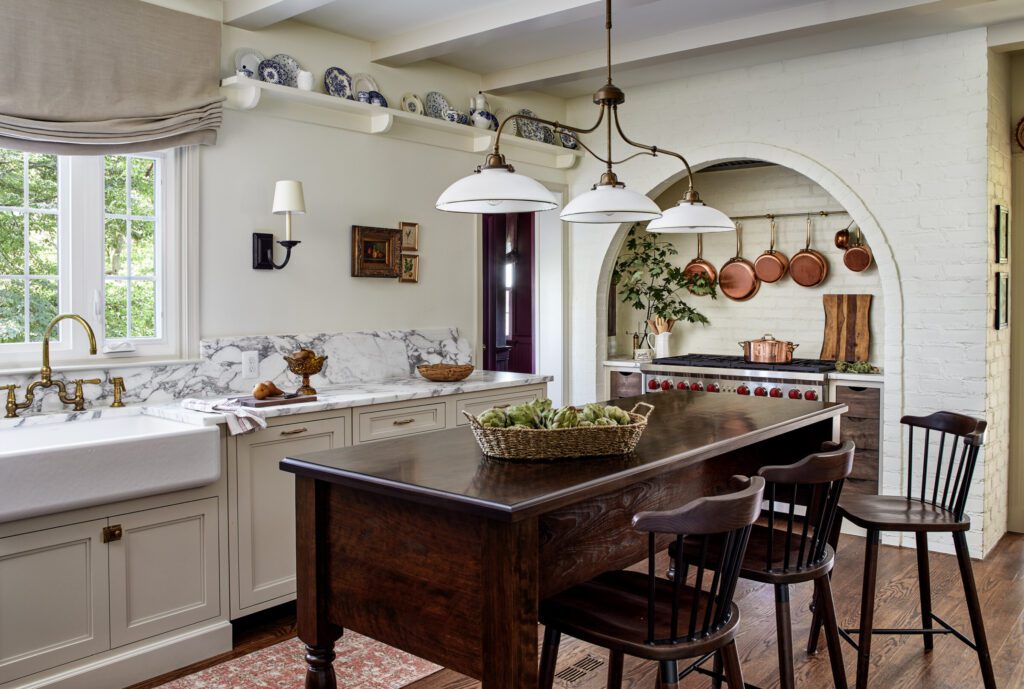
7. Choosing Kitchen Cabinetry Based on Price Alone
Kitchen cabinetry is one of the most frequently used elements in a home. Doors and drawers may be opened thousands of times over their lifetime, which is why construction quality matters just as much as appearance. Because UKB manufactures our own custom cabinetry, we pay close attention to what happens behind the finished door. Materials, construction methods, hardware, finishing and craftsmanship all contribute to how cabinetry performs over time.
Two cabinets can look similar in a photograph and be very different in how they are manufactured. When comparing kitchen cabinetry, homeowners should consider not only the initial price but also how the cabinetry is built, what materials are being used and the level of customization available.
8. Designing the Kitchen Separately From the Rest of the Home
One of Tanya Smith-Shiflett’s core design philosophies is that a kitchen should feel as though it belongs to the architecture of the home. The kitchen shouldn’t feel like an isolated project.
Ceiling heights, architectural millwork, flooring, adjacent rooms, furniture, sightlines and material transitions should all influence the kitchen design. This philosophy is also part of Tanya’s expansion into interior design alongside her continued leadership of UKB.
By considering the entire interior, cabinetry can become more than storage. It can function as furniture and architecture within the room and create a visual language that continues throughout the home. The most successful kitchens don’t look like they were simply installed. They look like they have always belonged there.
9. Trying to Design an Entire Kitchen Without Professional Guidance
Homeowners today have access to more kitchen design inspiration than ever before.
The challenge isn’t finding beautiful ideas. It’s knowing which ideas work together, which ideas are appropriate for the architecture and which decisions will function properly once the kitchen is built.An experienced kitchen designer considers far more than finishes.
Space planning, proportions, appliance specifications, cabinetry construction, storage, lighting, clearances and architectural relationships all have to work together. Professional guidance early in the process can also identify potential problems before they become expensive construction changes.
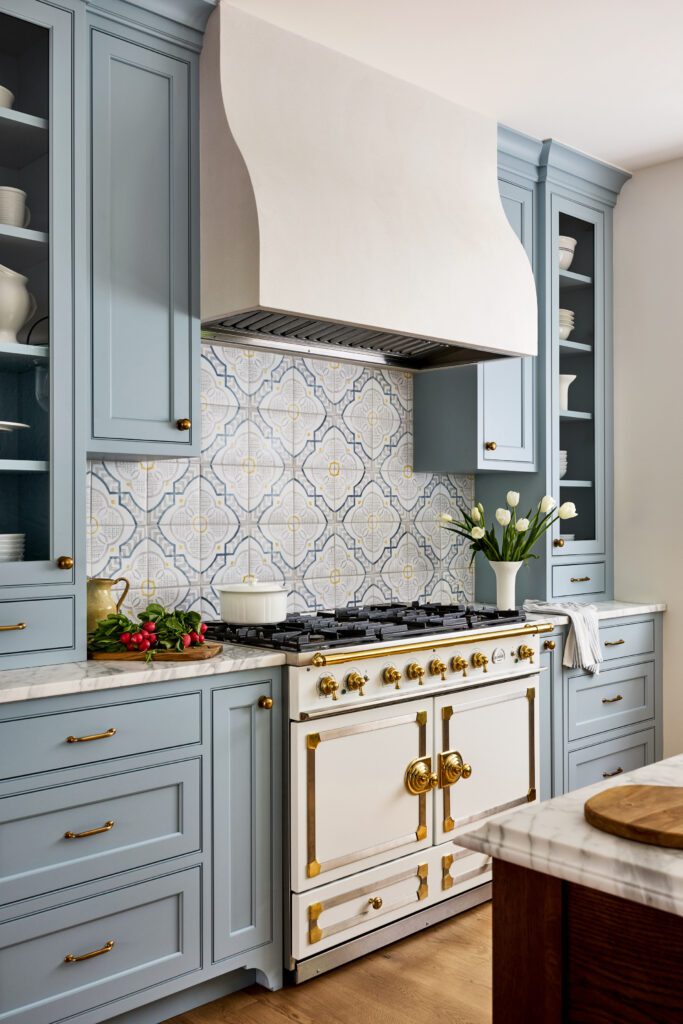
What Is the Biggest Mistake When Designing a Kitchen?
The biggest kitchen design mistake is not spending enough time planning before construction begins.
A successful kitchen is the result of hundreds of interconnected decisions involving cabinetry, appliances, lighting, plumbing, stone, hardware, storage, architecture and interior design. Changing one decision can affect several others. The more thoroughly these details are resolved during the design phase, the fewer compromises are typically required during manufacturing, installation and construction.
Is Custom Cabinetry Worth It in a Kitchen?
Custom cabinetry can be especially valuable when homeowners want cabinetry designed around their specific architecture, storage requirements and lifestyle. Unlike standardized cabinetry, truly custom cabinetry allows dimensions, proportions, storage solutions, finishes and architectural details to be developed specifically for the project.
At Unique Kitchens & Baths™, we both design and manufacture our custom cabinetry. This allows the design and manufacturing process to work together rather than treating them as separate stages. For homeowners who value personalization, craftsmanship and design flexibility, that can make a significant difference in both the appearance and functionality of the finished kitchen.
How Do You Design a Kitchen That Won’t Look Dated?
Start with the architecture rather than the trends. Well-proportioned cabinetry, quality materials, thoughtful detailing and craftsmanship tend to have greater longevity than design decisions based primarily on what is currently popular. That doesn’t mean a kitchen shouldn’t feel current.
Instead, use trends selectively while allowing the home’s architecture and the homeowner’s personal style to create the foundation. A timeless kitchen should feel personal, not generic.
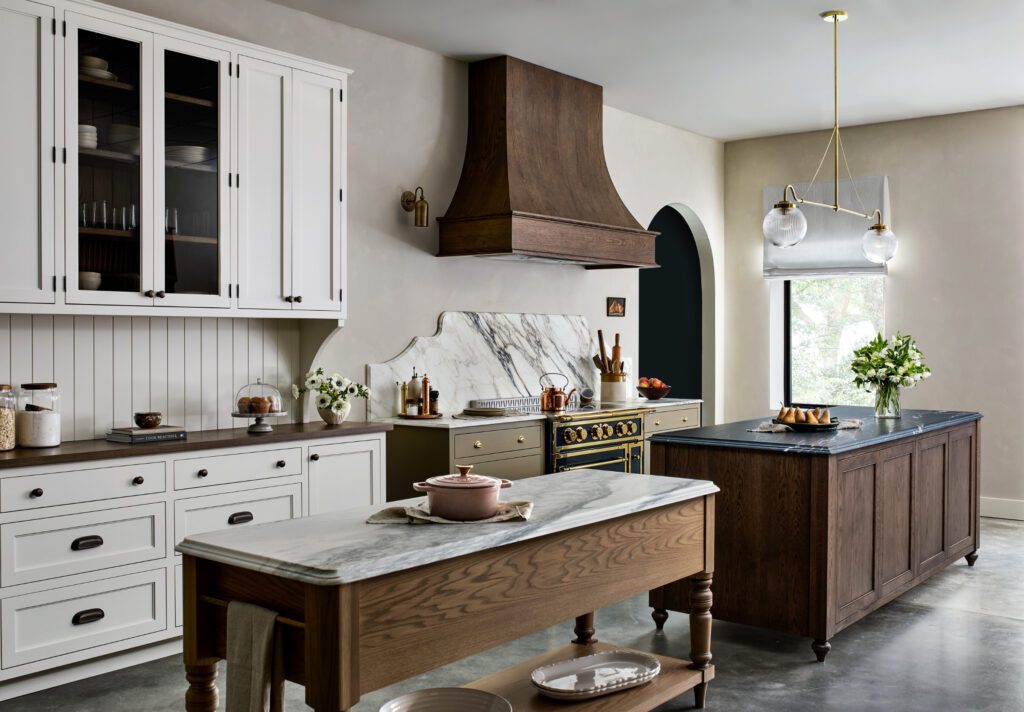
The Unique Kitchens & Baths™ Approach
At Unique Kitchens & Baths™, we believe exceptional kitchens begin with understanding how people live.
Led by founder and NKBA kitchen designer Tanya Smith-Shiflett, UKB combines kitchen and bath design with our own custom cabinetry manufacturing capabilities.
That relationship between design and manufacturing gives our team the freedom to create cabinetry specifically for each project rather than designing around the limitations of a standard cabinet line.
Whether UKB is working directly with a homeowner or collaborating with an interior designer, our goal is to create kitchens that are functional, architecturally appropriate, beautifully crafted and deeply personal.
Because the best kitchen isn’t simply the one that looks beautiful today.
It’s the kitchen that works beautifully for the way you live—and continues to feel like home for years to come.
About Tanya Smith-Shiflett
Tanya Smith-Shiflett is the founder of Unique Kitchens & Baths™ and an NKBA kitchen designer specializing in kitchen and bath design, custom cabinetry and interiors. Through UKB, Tanya combines her design perspective with the company’s custom cabinetry manufacturing capabilities to create highly personalized spaces for homeowners and in collaboration with interior designers.

— Tanya Smith-Shiflett
Founder & Owner, Unique Kitchens & Baths™
NKBA Kitchen Designer


